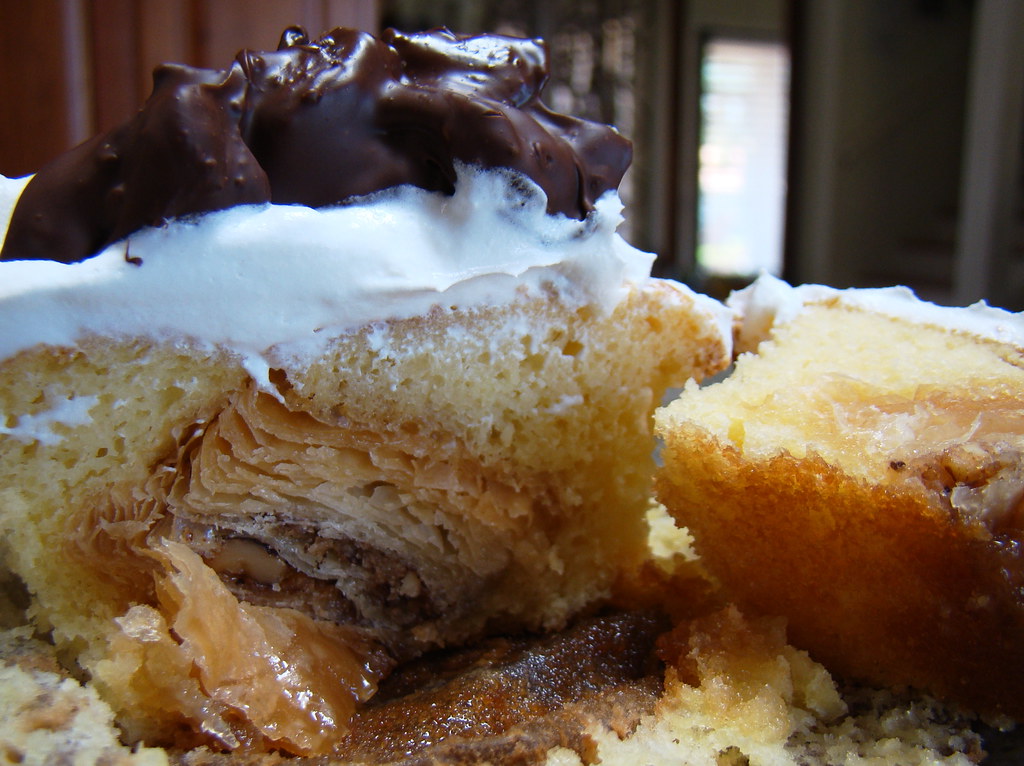
The culinary world is constantly evolving, blending time-honored traditions with innovative twists to create something truly spectacular. Few desserts exemplify this fusion as beautifully as the baklava cake. Imagine everything you adore about the iconic Mediterranean dessert – the golden honey, the crunchy nuts, the intoxicating warmth of spices – transformed into a moist, luxurious layer cake. This isn't just a dessert; it's a celebration of heritage reimagined, offering a quicker, less fussy, yet equally indulgent experience.
For centuries, baklava has held a revered place at tables across the Middle East, the Balkans, and the Mediterranean. But in an era where time is precious, the intricate layering of delicate phyllo dough can seem daunting. Enter the baklava cake: a genius invention by home bakers and professional chefs alike that captures the soul of baklava in a more approachable, cake-like form. It’s a show-stopping dessert that pays homage to its roots while establishing itself as a uniquely delicious creation, perfect for any special occasion or simply to satisfy a craving for something extraordinary.
The Allure of Baklava Cake: A Culinary Evolution
Traditional baklava is a masterpiece of pastry art. Its origins are steeped in history, with various regions like Turkey, Greece, Persia, and the Levant all proudly claiming its invention. Regardless of its exact birthplace, this ancient dessert, characterized by dozens of whisper-thin phyllo sheets brushed with butter, filled with finely chopped nuts, and drenched in aromatic syrup, has been a symbol of celebration and luxury for over 500 years. Its flaky, crunchy texture and intensely sweet, sticky syrup make it an unforgettable experience.
However, the beauty of traditional baklava comes with a significant time commitment. The process of meticulously layering phyllo dough, often by hand, was historically reserved for grand feasts and special occasions, a labor of love that few could undertake regularly. This is precisely where the baklava cake steps in as a brilliant modern solution. It's a testament to culinary ingenuity, born from a desire to enjoy those beloved baklava flavors without the extensive labor. This contemporary version takes the essence of the classic – the rich nuts, the golden honey, and the aromatic spices – and integrates them into a soft, moist cake base, typically a sponge or semolina batter, instead of the fragile phyllo.
The rise of the baklava cake reflects a broader trend in modern kitchens: a yearning for authentic flavors rendered in convenient, accessible formats. It’s a dessert that speaks to both tradition and innovation, appealing to those who cherish cultural heritage but also embrace culinary shortcuts that don't compromise on taste. This transformation has made baklava flavors more adaptable for everyday enjoyment, offering a lighter, softer dessert that still delivers the decadent experience baklava lovers crave. Its growing popularity in Middle Eastern and Greek households, and increasingly worldwide, underscores its success as a truly global dessert sensation.
Deconstructing the Flavors: What Makes a Baklava Cake Sing?
To truly understand the magic of a baklava cake, one must appreciate the key components that come together to create its distinctive profile. Each ingredient plays a vital role in capturing the authentic spirit of traditional baklava while adapting it to a cake format.
Honey: The Golden Heartbeat
Honey is more than just a sweetener in baklava cake; it's its very soul. It imparts the characteristic sweetness, but more importantly, it infuses the cake layers with incredible moisture and a unique depth of flavor that defines traditional baklava. Liquid honey is often used both within the cake batter, contributing to its tender crumb, and as a generous final drizzle or soak after baking. This post-bake honey syrup seeps into every crevice, ensuring each bite is moist, fragrant, and truly authentic. For an extra layer of complexity, consider using different types of honey – a robust wildflower honey for a deeper flavor, or a light orange blossom honey for an aromatic, floral note. The quality of your honey directly impacts the final flavor profile, so opt for a good quality, natural honey.
Nuts: The Signature Crunch and Flavor
No baklava, traditional or cake, would be complete without its signature nuts. The baklava cake typically features a delightful combination of pistachios and walnuts, though almonds can also be incorporated. These nuts are finely chopped and strategically placed – often layered between the cake tiers, mixed into a frosting, or sprinkled generously on top as a garnish. They provide that essential crunchy texture contrast to the soft cake and infuse every mouthful with a rich, nutty aroma. The vibrant green of pistachios also offers a stunning visual pop against the golden cake and creamy frosting, making the dessert as appealing to the eyes as it is to the palate. For an enhanced flavor, lightly toast your nuts before chopping; this deepens their nutty essence and makes their aroma even more pronounced.
Warm Spices: The Aromatic Embrace
What truly elevates baklava from a simple sweet treat to an exotic indulgence are the warm, aromatic spices. Cinnamon is almost always present, lending a sweet, woody warmth. Cloves often accompany it, adding a hint of pungent sweetness, and sometimes a whisper of cardamom or nutmeg can be included for even greater complexity. These spices are typically blended with the chopped nuts or incorporated directly into the cake batter, ensuring their fragrant notes permeate every layer. They are the invisible maestros that conduct the symphony of flavors, evoking the rich culinary landscapes of the Mediterranean and Middle East.
The Cake Base: A Modern Canvas
Replacing the numerous layers of phyllo dough, the cake base of a baklava cake is usually a moist sponge or semolina-based batter. This modern twist provides a softer, airier texture compared to the flaky crunch of traditional baklava, making it less dense and often easier to eat. The genius of this base lies in its ability to absorb the crucial honey or sugar-based syrup after baking. This soaking process is fundamental; it not only ensures the cake is incredibly moist but also guarantees that the signature sweet, aromatic flavor of baklava is fully infused throughout, marrying the soft cake with the rich, syrupy essence.
Crafting Your Own Baklava Cake: Tips for Home Bakers
Creating a baklava cake at home is a rewarding experience that doesn't require the daunting techniques of traditional phyllo work. Here are some tips to help you achieve a truly spectacular dessert:
- Choose Your Base Wisely: A rich sponge cake provides a light, airy texture that soaks up syrup beautifully. A semolina-based cake, on the other hand, offers a slightly denser, more rustic crumb that is incredibly moist and holds its shape well. Experiment to find your preference.
- Master the Syrup: The honey or sugar syrup is the lifeblood of your baklava cake. Prepare it ahead of time and allow it to cool completely. The general rule for optimal syrup absorption and a non-soggy cake is to pour cool syrup over a warm cake, or warm syrup over a cool cake. This temperature contrast helps the cake absorb the liquid evenly without becoming mushy. Ensure even distribution, allowing it to slowly seep in.
- Perfect Your Nuts: For the best flavor and texture, use a mix of freshly chopped walnuts and pistachios. Lightly toasting them in a dry pan for a few minutes before chopping enhances their natural oils and deepens their nutty aroma. Ensure they are finely chopped but still retain some texture for that satisfying crunch.
- Embrace the Spice: Don't be shy with your spices! Freshly ground cinnamon and a pinch of ground cloves will elevate your cake. You might even consider adding a tiny amount of ground cardamom for an authentic Middle Eastern touch. These spices can be mixed into the nut filling, the cake batter, or both.
- Frosting and Presentation: A simple cream cheese frosting, a light mascarpone cream, or even a classic whipped cream provides a delightful creamy contrast to the richness of the cake. Garnish generously with more chopped nuts, a drizzle of extra honey, or even a few rose petals for an elegant finish. For more in-depth guidance on these aspects, you might find valuable insights in Mastering Baklava Cake: Honey-Infused Layers & Nutty Crunch.
- Rest for Best Results: Like many syrupy cakes, a baklava cake often tastes even better the next day once the flavors have had time to meld and the syrup has fully permeated the layers. Store it covered at room temperature or in the refrigerator.
With these tips, you'll be well on your way to creating a homemade baklava cake that rivals any bakery offering. If you're looking for ways to capture the essence of baklava without the traditional phyllo fuss, exploring the concepts in Baklava Cake: Get Classic Flavors Without the Phyllo Fuss will provide excellent guidance.
Beyond the Recipe: Baklava Cake for Every Occasion
The beauty of the baklava cake extends far beyond its delicious taste and simplified preparation. Its adaptability makes it a versatile dessert suitable for a myriad of occasions. While traditional baklava was reserved for grand celebrations, the cake version is lighter and less labor-intensive, making it perfectly suited for a weeknight treat, a weekend gathering, or even a sophisticated dinner party.
Serve it with a strong cup of Turkish coffee or a fragrant mint tea to complete the Mediterranean experience. A scoop of vanilla bean ice cream or a dollop of unsweetened whipped cream can cut through its sweetness, creating a balanced and utterly delightful dessert experience. It's a fantastic way to introduce new palates to the beloved flavors of the Mediterranean in a format that feels familiar and comforting. Whether it's a birthday, an anniversary, or just a simple family meal, a baklava cake is guaranteed to impress and satisfy, offering a dessert that feels both celebratory and deeply comforting.
The baklava cake stands as a testament to the enduring power of culinary tradition, gracefully reinterpreted for the modern era. It’s a harmonious fusion of the old and the new, delivering all the rich, nutty, honey-infused goodness of classic baklava in a wonderfully moist and manageable cake. This modern twist ensures that the spirit of a cherished Mediterranean dessert continues to captivate hearts and tantalize taste buds, proving that some classics are meant to be deliciously reinvented. So, whether you're a seasoned baker or an enthusiastic novice, dive into the delightful world of baklava cake – your taste buds will thank you.
